Spray Foam vs. Blown-In vs. Batt: Which Insulation Is Best in Northern Colorado?
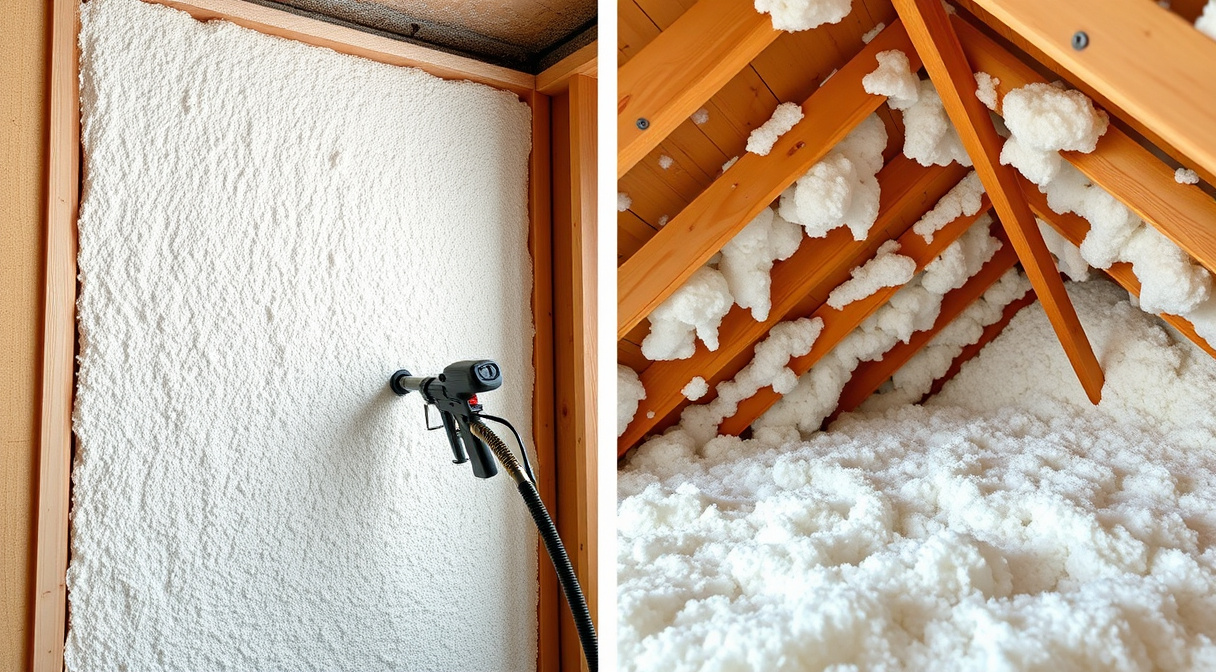
Spray foam, blown-in, and batt are the three insulation types you'll actually choose between for a Northern Colorado property, and owners understandably want to know which is 'best.' The honest answer: each one is best at something, and the strongest buildings use all three in the right places. Here's a clear comparison — including one factor that matters more out here than almost anywhere: condensation control.
Spray foam: highest performance
Spray foam is the premium option. It expands to fill every gap, delivering the highest R-value per inch of any common insulation and — crucially — air-sealing at the same time. Closed-cell foam goes further and acts as a moisture and vapor barrier. That makes it the standout choice for metal buildings, pole barns, basements, crawlspaces, and rim joists, where air leakage and moisture are the challenges. Open-cell foam is a lighter, cost-effective air seal for interior walls.
The trade-off is cost: spray foam is more expensive per square foot because it does more. The smart approach is to use it where its air seal, high R-value, and moisture control genuinely pay off — like the steel roof of a shop — rather than everywhere by default.
Blown-in: fast, even, cost-effective
Blown-in loose-fill — cellulose or fiberglass — is the workhorse of attic insulation. It's blown through a hose to fill the attic floor evenly, flowing around framing to eliminate gaps. For reaching Northern Colorado's R-49 to R-60 attic targets across a standard attic, blown-in is fast, cost-effective, and hard to beat. Paired with air sealing first, it delivers excellent real-world performance for the money.
Batt: reliable and economical in open framing
Batts — pre-cut fiberglass or mineral-wool blankets — are the economical choice wherever framing is open, like new construction, remodels, and framed pole-barn walls. When installed correctly (cut to fit, snug, split around wiring), they deliver reliable rated R-value at the lowest cost per square foot. Mineral-wool batts cost more but add fire resistance and soundproofing, great for shops and interior walls. The catch is installation quality: compressed or gapped batts lose a large share of their rating.
The high-plains factor: condensation and wind
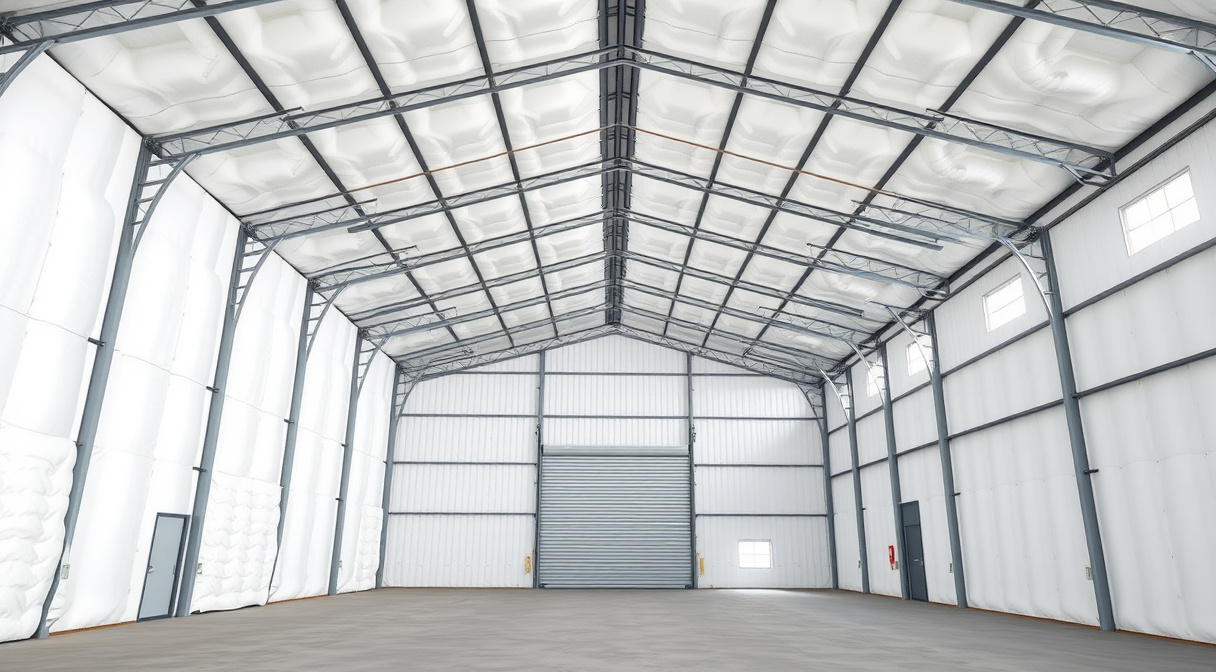
Two things push Northern Colorado toward spray foam more than milder regions. First, wind: our relentless wind drives air infiltration that foam's air seal shrugs off but batts and blown-in can't stop on their own. Second, condensation: metal buildings sweat when warm air hits cold steel, and only closed-cell foam applied to the metal reliably stops it. For homes, blown-in and batt still make great sense in the attic and walls; for steel buildings, foam is usually the answer.
A quick comparison
- Highest R-value per inch: spray foam (closed-cell)
- Best air seal & moisture control: spray foam
- Best value for a standard attic: blown-in
- Lowest cost in open framing: batt
- Best for metal buildings & pole barns: closed-cell spray foam
- Best soundproofing / fire: mineral-wool batt
So which should you choose?
Don't choose one — choose the right one for each surface. A typical Northern Colorado project might air-seal and blow in the home attic to R-60, foam the rim joists, and closed-cell foam the metal shop for warmth and condensation control. That's how you get the best performance for a sensible budget. We assess your property and design the combination, then explain exactly why each choice makes sense. Call 844-967-5247 for a free assessment.
Frequently asked questions
No. Spray foam has the highest R-value per inch and air-seals as it insulates, which makes it ideal for metal buildings, basements, and rim joists. But for a standard home attic floor, blown-in with proper air sealing usually delivers comparable comfort and savings for less. The best choice depends on the surface.
Closed-cell spray foam applied to the steel is almost always the best choice, because it insulates and controls the condensation that fiberglass can't stop and may worsen. For finished living space, we combine foam with additional insulation to hit code R-values.
Ready for a free quote?
Tell us about your home or building and we'll build a clear quote — rebates included.